Commercial Flat Roof Ponding Water Solutions
If you own or manage a commercial property in the Philadelphia area, you already know that our weather does not pull any punches. Between freezing winter temperatures that create brutal freeze-thaw cycles and heavy spring rains that test the limits of your building's exterior, maintaining a weather-tight property is a year-round job. One of the most common and potentially damaging issues property managers face during these shifting seasons is ponding water on a flat roof.
Ponding water is generally defined as any water that remains on a roof for 48 hours or longer after a rainstorm. While a small puddle might seem harmless, stagnant water can quietly compromise your building's structural integrity, degrade your roofing materials, and lead to costly interior leaks. Understanding why this happens and how to implement effective commercial flat roof drainage solutions is essential for protecting your investment and keeping your operations running smoothly without unexpected disruptions.
Why Ponding Water Happens and the Dangers It Poses
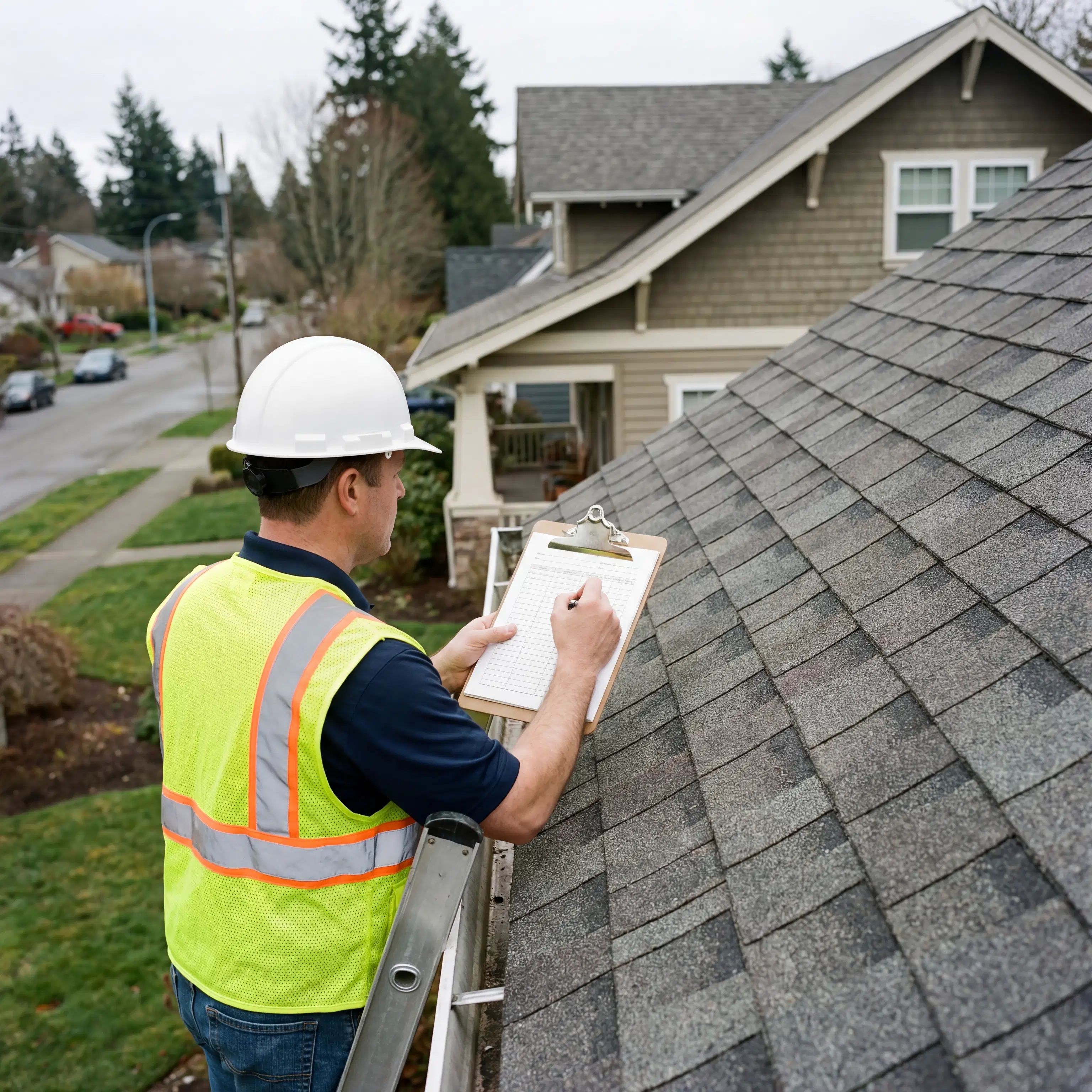
Flat roofs are a staple of urban architecture, especially on commercial buildings and mixed-use properties situated alongside classic row homes. However, "flat" is actually a bit of a misnomer. Every properly designed flat roof should have a slight pitch to encourage water to flow toward drains, scuppers, or the roof edge. When water begins to pool, it usually points to a few common culprits: sagging in the roof deck, clogged drainage systems, or poorly designed structural slopes.
The dangers of ignoring these puddles are significant. Water is incredibly heavy—weighing over eight pounds per gallon. When standing water is allowed to accumulate, it adds immense dead weight to your roof structure, which can exacerbate sagging and create an even deeper basin for water to collect. Over time, the sun's ultraviolet rays heat the stagnant water, which can accelerate the breakdown of your roofing membrane, whether it is EPDM, TPO, or a modified bitumen system.
Eventually, preventing flat roof ponding water damage becomes a race against time. If the membrane deteriorates, water will find its way inside, resulting in unsightly water spots on the ceiling, damaged inventory, and costly disruptions to your business.
How to Fix Standing Water on a Commercial Flat Roof
When business owners ask us how to fix standing water on a commercial flat roof, the answer usually involves a combination of improved drainage and structural corrections. One of the most effective methods is installing a tapered insulation system. Instead of using flat insulation boards under the roofing membrane, a tapered system uses sloped boards to create a subtle, customized pitch. This actively directs rainwater away from vulnerable areas and toward the appropriate drainage points.
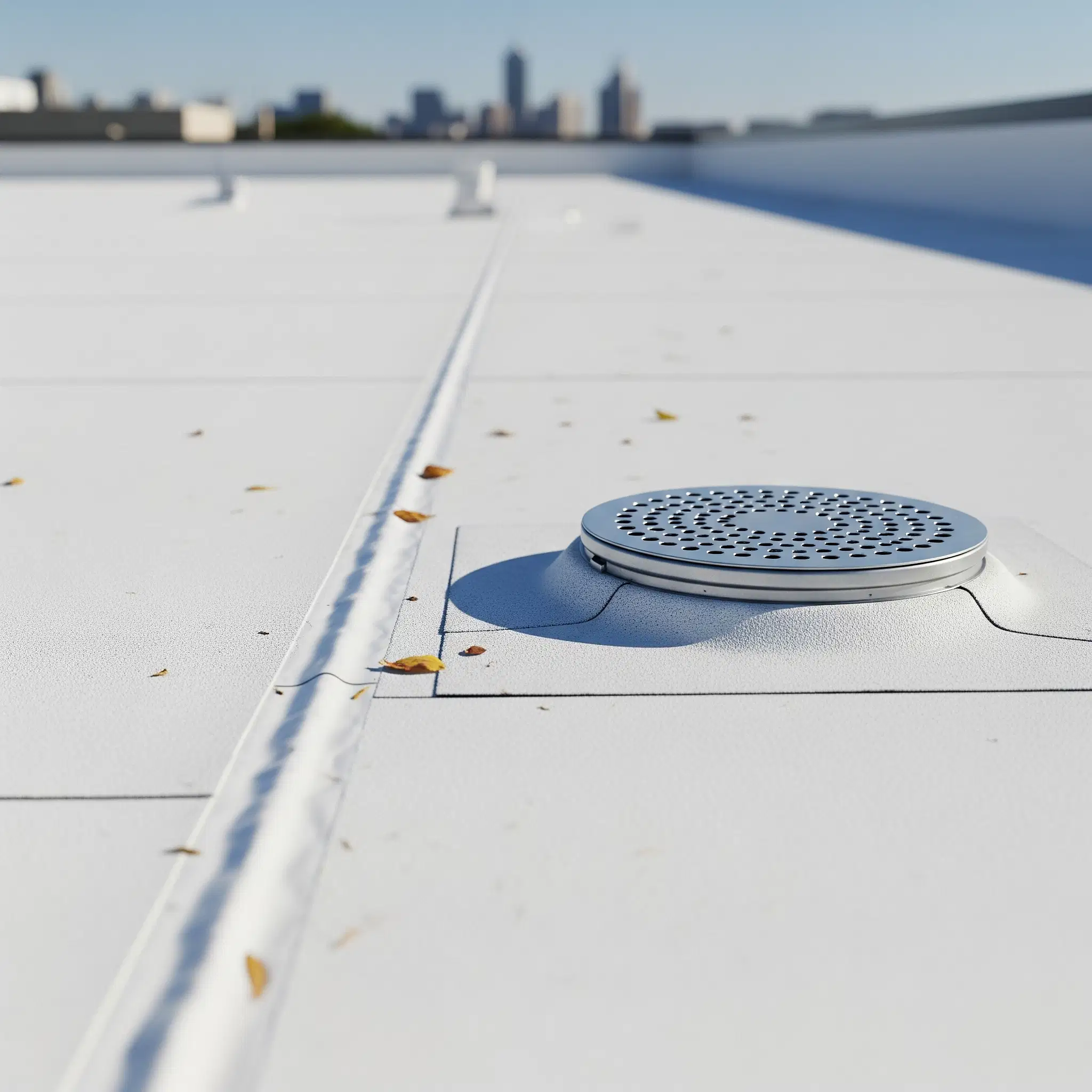
Another critical step is evaluating your current water routing. Often, older commercial buildings in dense areas like Center City have inadequate or undersized drainage systems that easily become overwhelmed during torrential downpours. Adding supplemental roof drains or widening existing scuppers can drastically improve water flow.
Furthermore, the water has to go somewhere once it leaves the roof edge. If your exterior water management is failing, water can back up and pool on the roof surface. Upgrading your exterior systems through professional gutter installation ensures that heavy runoff is safely carried away from the building's foundation and exterior walls, preventing a bottleneck that leads to roof ponding.
Preventative Maintenance and Modern Solutions
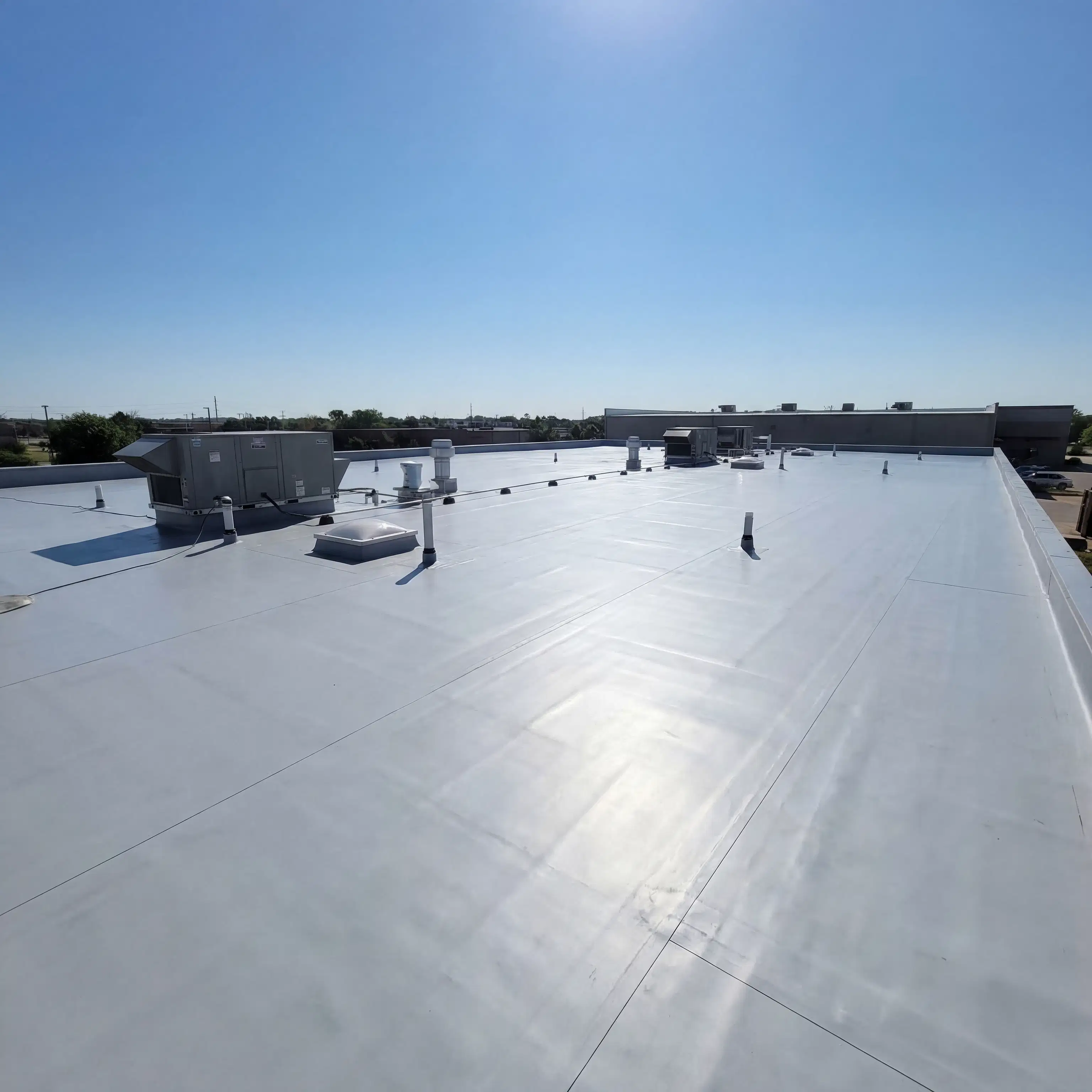
The best way to manage ponding water is to stop it before it starts. Routine inspections are the cornerstone of a healthy roof. At ETR Construction, we leverage modern technology like drone inspections and thermal imaging to safely and quickly identify low spots, compromised insulation, and hidden moisture beneath the membrane without causing disruptions to your daily operations or dealing with the tight staging areas typical of urban environments.
Regular maintenance also involves keeping your drainage pathways clear of debris, leaves, and trash that inevitably blow onto commercial roofs. Additionally, applying a specialized flat roof coating—such as a traditional silver coating or a modern silicone cool roof coating—can provide an extra layer of waterproofing while simultaneously reflecting UV rays. This not only protects the membrane from the magnifying-glass effect of ponding water but also helps lower your building's cooling costs during the hot summer months, keeping you compliant with local energy efficiency initiatives.
Protect Your Commercial Property Today
Ignoring a ponding water issue will only lead to more extensive and expensive repairs down the line. By addressing poor drainage, utilizing tapered insulation, and committing to proactive maintenance, you can extend the lifespan of your commercial roof and protect the valuable assets inside your building.
If you are tired of worrying every time the forecast calls for rain, the team at ETR Construction is here to help. We understand the unique challenges of maintaining commercial properties in Delaware County and the surrounding region. Reach out today to learn more about our comprehensive commercial roofing services and let us design a custom drainage solution that keeps your business dry, safe, and secure.