Preventing Moisture Damage Behind Vinyl Siding
Vinyl siding is one of the most popular exterior choices for homeowners, and it is easy to see why. It is durable, relatively low maintenance, and offers excellent curb appeal. However, despite its weather-resistant exterior, it is not entirely waterproof. In fact, it is designed to hang loosely on your home to allow for expansion and contraction. This design, while necessary, means that water can occasionally find its way underneath. If your home's exterior defense system isn't perfectly set up, this trapped water can lead to significant structural issues over time. For homeowners in Delaware County, the combination of heavy spring rains, humid summers, and freezing winters makes moisture management an essential part of home maintenance.
Moisture damage often happens slowly and silently out of view. By the time you notice a problem on the outside, the structural integrity of the wood beneath could already be compromised. Understanding how water infiltrates your exterior walls, recognizing the early warning signs, and knowing the proper preventative measures are crucial steps in protecting your investment. Preventing rot under exterior wall cladding requires a combination of high-quality materials, precise installation techniques, and regular seasonal inspections.
At ETR Construction, we have seen firsthand what happens when water gets trapped where it shouldn't. The good news is that with the right knowledge and proactive care, you can keep your home safe, dry, and looking beautiful for decades to come.

Recognizing the Early Warning Signs
Because the wood framing and sheathing of your home are hidden beneath the cladding, you have to be observant to catch moisture issues early. One of the most common things homeowners ask us about is how to spot signs of water trapped behind vinyl siding before it requires major structural repair.
Inside your home, you might notice peeling paint, bubbling wallpaper, or water stains on the drywall, particularly on exterior-facing walls. These interior symptoms often indicate that water has breached the weather barrier outside. You might also notice a persistent musty smell in certain rooms or discover mold growth along baseboards. On the outside of your home, keep an eye out for algae or mildew growing on the siding itself, which indicates excessive moisture retention in that specific area.
Another visual indicator is distorted cladding. If you are wondering how to fix buckling vinyl siding panels, it is important to understand that buckling can be caused by two things: improper installation (where the panels were nailed too tightly, preventing natural expansion) or severe moisture damage that has caused the underlying wood sheathing to swell and push outward. If the panels appear warped or feel unusually soft and spongy when you press on them, it is time to have a professional take a closer look.
The Core of the Problem: How Water Gets Trapped
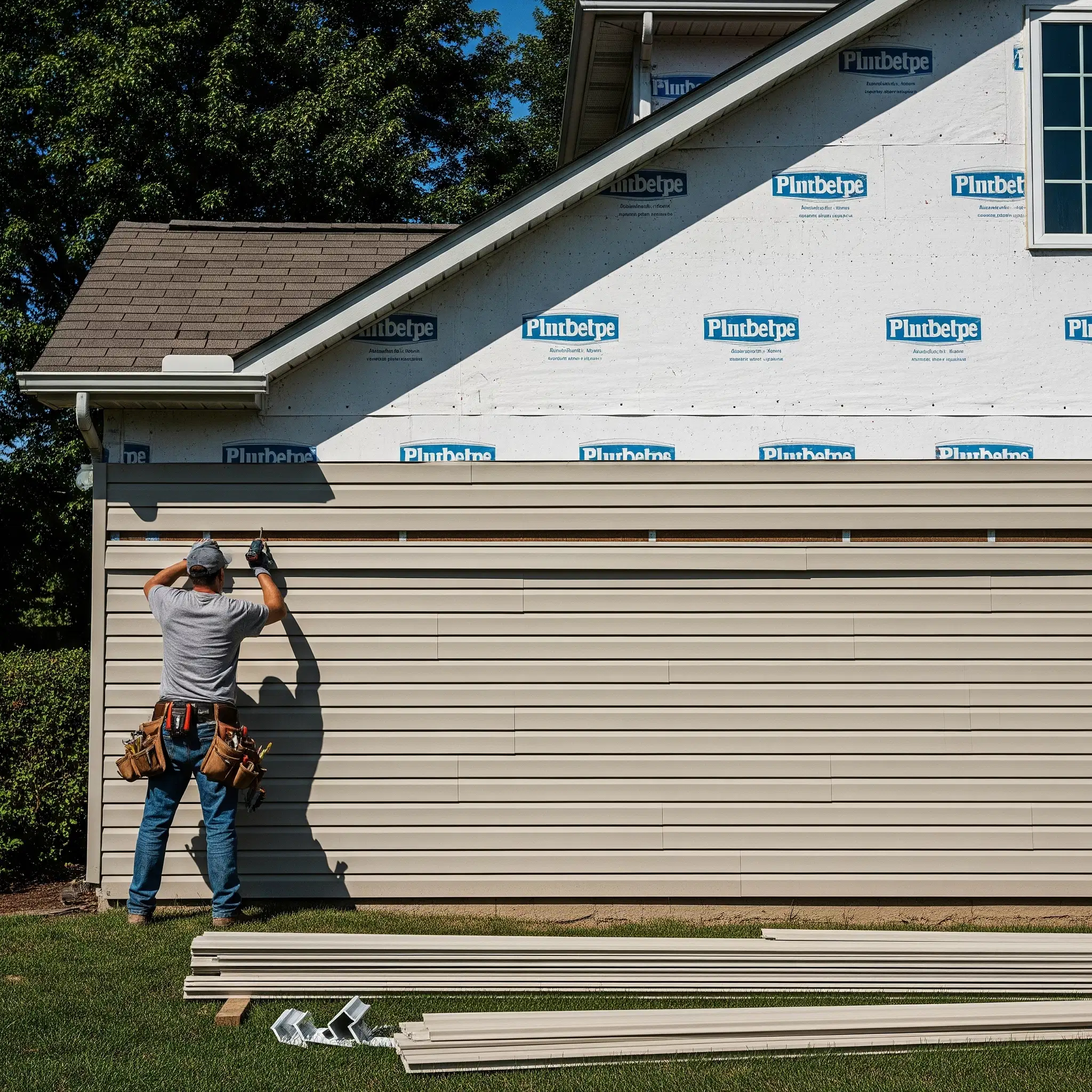
To effectively keep your walls dry, it helps to understand how moisture gets behind the cladding in the first place. Wind-driven rain is a common culprit. During severe storms, high winds can push rainwater upward and sideways, forcing it through the small gaps where the siding panels overlap. Additionally, Pennsylvania's freeze-thaw cycles can wreak havoc on aging sealants around windows and doors, creating tiny cracks where water can easily enter.
However, external water is not the only threat. Indoor humidity from cooking, showering, and running heating systems can actually migrate outward through your walls. If your home lacks proper ventilation or a breathable moisture barrier, this condensation can become trapped inside the wall cavity, eventually leading to mold and wood rot.
This is why the house wrap or weather-resistant barrier installed underneath your cladding is arguably more important than the exterior panels themselves. A high-quality barrier repels liquid water from the outside while allowing water vapor from the inside to escape. If this layer is damaged, improperly taped, or entirely missing—which we sometimes see in older homes—moisture damage is almost inevitable. Properly integrated flashing around windows, doors, and rooflines is just as critical to direct water away from vulnerable seams.
Protecting Your Home for the Long Haul
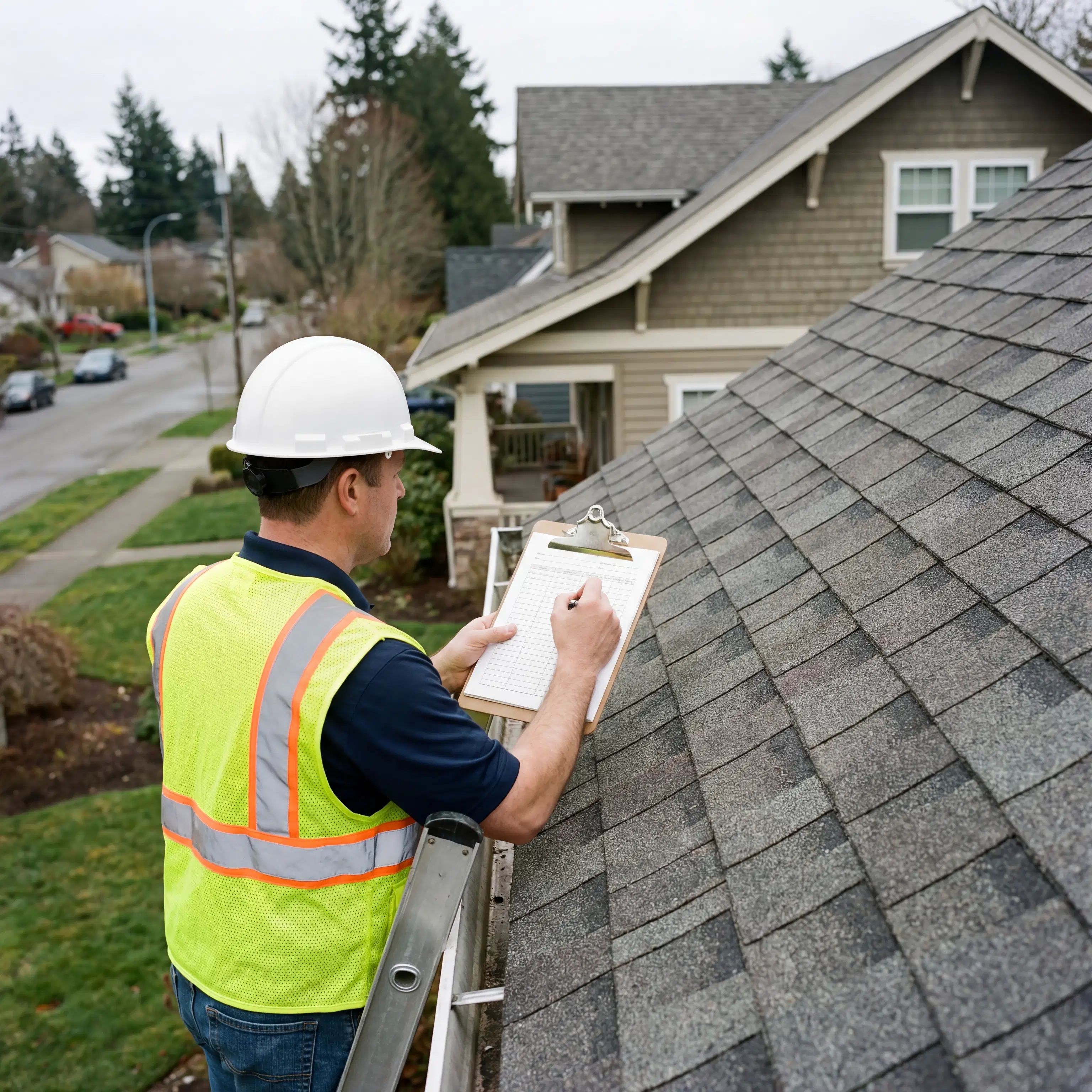
The most effective way to prevent moisture damage is to ensure your exterior systems are installed correctly from day one and maintained regularly. Annual inspections can help you catch failing caulking around windows or damaged J-channels before they let water into the wall cavity. If you have gutters that are overflowing or directing water straight down the side of your house, addressing that drainage issue will significantly reduce the moisture load on your walls.
If your home is aging or you are starting to notice the warning signs mentioned above, it might be time to evaluate your exterior cladding. Investing in professional Vinyl Siding services ensures that your home is wrapped in modern, breathable weather barriers and that every piece of flashing is meticulously sealed. For localized damage, prompt Siding Repair And Installation can isolate and resolve the issue before rot spreads to your home's structural framing.
Don't wait for a small leak to turn into a costly structural repair. If you are concerned about the integrity of your exterior walls, or if you simply want the peace of mind that comes with a professional evaluation, ETR Construction is here to help our neighbors throughout Delco. Reach out via our contact us page to schedule a comprehensive inspection, and let our experienced team help you keep your home safe, dry, and protected against the elements.